
Bảng xếp hạng ngoại hạng anh không chỉ là cuộc đua của những gã nhà [...]
Là fan hâm mộ bóng đá, đừng bỏ lỡ trận đấu nào với trực tiếp [...]
Bạn đang tìm trang xem trực tiếp bóng đá mượt, không giật lag, không quảng [...]
Đừng để trận PSG vs Inter trôi qua như cơn gió! Xem trực tiếp chung [...]
Bóng đá tháng 6 bùng nổ với nhiều sự kiện quốc tế và trận cầu [...]
Bạn có tò mò làm sao một gã bình thường hóa Pogboom – biểu tượng [...]
Giữ nhịp với tốc độ bóng đá ngày càng sôi động không dễ. Bạn cần [...]
Trong thế giới bóng đá hiện đại, bảng xếp hạng là nơi thể hiện vị [...]
Trong thế giới thể thao đầy biến động, việc nắm bắt kết quả bóng đá [...]
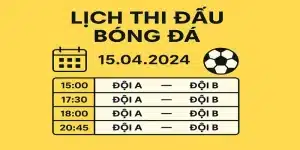
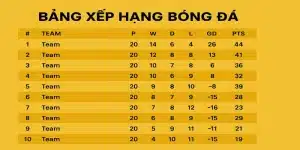
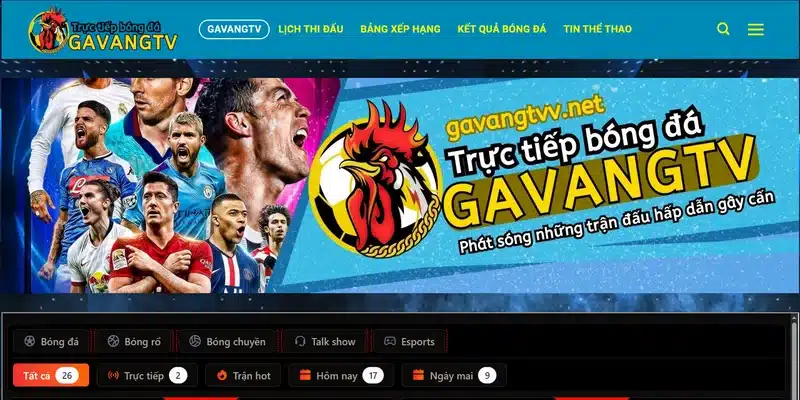
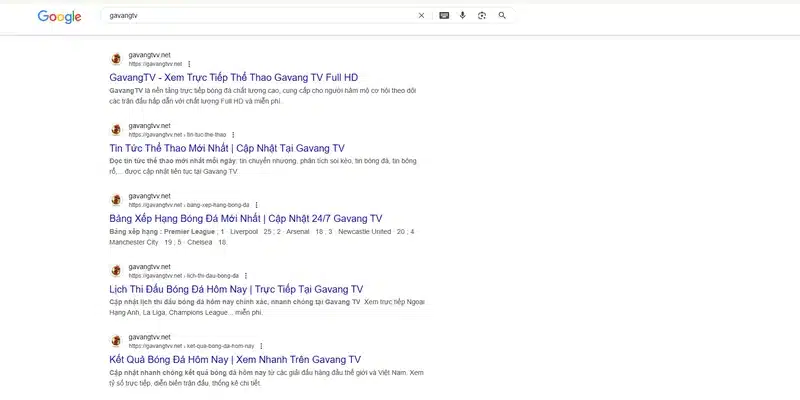
Cuộc sống hiện đại khiến nhiều người yêu bóng đá khó có thời gian ngồi [...] Bạn đã từng trải qua cảm giác “xem bóng đá mà không giật lag, không quảng cáo nổ như bom” chưa? Trải nghiệm ngay GavangTV – thiên đường xem trực tiếp bóng đá hôm nay, chất lượng Full HD, bình luận vui nhộn cực mặn! Mọi trận cầu đỉnh cao đều có mặt đầy đủ trên Gavang TV – nơi “fan bóng đá” không thể bỏ qua. Trong thế giới xem bóng đá trực tiếp đầy rẫy trang web lag giật, quảng cáo chồng chất, GavangTV nổi lên như một “ánh sáng cuối đường hầm”. Đây không chỉ là nền tảng xem bóng đá miễn phí 100%, mà còn sở hữu giao diện cực kỳ “dễ dùng” đến mức bà ngoại cũng có thể thao tác dễ dàng. Chất lượng Full HD sắc nét, tốc độ đường truyền “trâu bò”, bình luận viên duyên dáng pha trò cực “bắt trend” giúp trải nghiệm xem bóng đá thêm phần sống động. Nói cách khác, Gavang chính là “bùa mê” dành cho mọi fan bóng đá, từ dân công nghệ cho đến những người mới tập “cày bóng”! Bạn không nghe nhầm đâu! Trực tiếp bóng đá Gavang TV hoàn toàn không thu phí bất cứ đồng nào. Từ các giải đấu lớn như Ngoại hạng Anh, Champions League, La Liga đến V-League đều xem được không giới hạn. Chất lượng Full HD được đảm bảo, sắc nét từng milimet, nhìn rõ từng pha bóng như vừa “photoshop”. Ai bảo miễn phí thì kém chất lượng? Với Gavang TV, bạn sẽ được “đã mắt, đã tai”, thậm chí còn đã… “cái bụng” với những bình luận viên duyên dáng, dí dỏm không thua gì các hot TikToker triệu view. Bạn có thể không rành công nghệ, có thể là “bà ngoại 70 tuổi”, nhưng đừng lo, giao diện của GavangTV link được thiết kế đơn giản như “món ăn mẹ nấu”. Chỉ cần vài cú click chuột, bạn sẽ tìm thấy trận đấu yêu thích ngay mà không phải mò mẫm hay hỏi “chỗ này bấm chỗ nào?”. Chính vì vậy, Gavangtivi trở thành “điểm hẹn” của mọi fan bóng đá, từ trẻ đến già, từ dân công nghệ cho đến người mới tập chơi. Nền tảng xem bóng đá trực tiếp hôm nay không chỉ đơn thuần là nơi xem bóng đá miễn phí, mà còn là “cỗ máy” biến đam mê trái bóng tròn của bạn thành trải nghiệm “cháy hết mình” mỗi ngày. Xứ mệnh của Gavang TV trực tiếp bóng đá là mang đến cho mọi fan hâm mộ – từ “dân chơi hệ cày kèo” đến “bà ngoại 70 tuổi” – một không gian xem bóng đá chất lượng cao, thân thiện, không tốn phí và không bị phá đám bởi quảng cáo khó chịu. Chúng tôi cam kết: Với tinh thần “chơi hết mình, xem hết sức”, Gavang TV bóng đá đặt lợi ích người xem lên hàng đầu, mang lại trải nghiệm không chỉ là xem bóng đá trực tiếp hôm nay mà còn là cảm xúc, kết nối và là “hội cạ” của cộng đồng yêu bóng đá Việt Nam. Đó chính là sứ mệnh – và cũng là lời hứa mà GavangTV trực tiếp không bao giờ quên! Xem trực tiếp bóng đá không chỉ cần có đường truyền ổn định mà còn phải “đầy đủ combo” tính năng để trải nghiệm trọn vẹn. May thay, Gavang TV thấu hiểu điều đó và cung cấp cho bạn trải nghiệm xem bóng đá trực tiếp cực “xịn”, đầy đủ các chức năng cần thiết như: Bạn từng bỏ lỡ trận cầu đỉnh cao vì quên lịch? Gavang TV giải quyết ngay với lịch thi đấu bóng đá cập nhật ‘nhanh như chớp’, chuẩn xác từng phút. Xem trực tiếp bóng đá mọi trận đấu hot nhất, không lo lỡ nhịp. Đến Gavangtivi ngay – đừng để bóng lăn qua đi! Hệ thống của GavangTV trực tiếp bóng đá cập nhật liên tục lịch thi đấu các giải lớn như Ngoại hạng Anh, Champions League, La Liga cùng tất cả các giải trong nước như V-League. Bạn có thể dễ dàng theo dõi các trận cầu hấp dẫn, không bỏ sót bất kỳ trận nào dù lớn hay nhỏ. Nhờ công nghệ tự động và đội ngũ biên tập viên chuyên nghiệp, lịch thi đấu tại Gavang TV bóng đá luôn được làm mới hàng giờ. Điều này giúp bạn cập nhật chính xác giờ thi đấu và địa điểm tổ chức nhanh nhất, tránh tình trạng “hết trận mới biết”. Nếu bạn là người đam mê xem nhiều trận đấu, tính năng lịch thi đấu của GavangTV live sẽ là “phù thủy” giúp bạn sắp xếp thời gian hợp lý, dễ dàng lên kế hoạch “cày” đủ các trận đỉnh cao mà không lo bị lỡ. Tính năng lịch thi đấu bóng đá trên Gavang TV không chỉ mang lại tiện ích tối đa cho người xem mà còn giúp fan hâm mộ bóng đá không bỏ lỡ bất kì trận cầu đỉnh cao nào trên toàn thế giới. Fan bóng đá nào mà không hóng xem đội nhà đang “ngồi ghế nóng” hay “đội cuối bảng” đang rơi tự do? Tại Gavangtivi, bạn sẽ được trải nghiệm tính năng bảng xếp hạng bóng đá trực tiếp, cập nhật liên tục từng phút từng giây, giúp bạn theo dõi sát sao thứ hạng đội bóng yêu thích mà không lo bị hụt thông tin. Dù bạn là fan của Ngoại hạng Anh, La Liga, Serie A hay V-League, bảng xếp hạng tại GavangTV trực tiếp bóng đá hôm nay đều được cập nhật đầy đủ và chính xác. Bạn có thể dễ dàng nắm bắt vị trí, điểm số, hiệu số bàn thắng thua của từng đội bóng một cách nhanh chóng. Đừng lo bị “chơi xỏ” bởi những bảng xếp hạng thiếu minh bạch hay chỉ số “nhảy múa” gây hoang mang. Tất cả dữ liệu trên Gavang đều được lấy từ nguồn uy tín, xử lý chính xác và cập nhật kịp thời, đảm bảo tính khách quan và minh bạch tối đa. Với bảng xếp hạng cập nhật realtime trên GavangTV live, bạn không những biết được đội nhà đang đứng ở đâu mà còn có thể theo dõi từng thay đổi về thứ hạng một cách sát sao, từ đó dự đoán xu hướng thi đấu và lên “chiến thuật” cổ vũ hợp lý. Tính năng bảng xếp hạng này là một trong những điểm mạnh giúp GavangTV giữ vững vị thế là trang web xem bóng đá trực tuyến chất lượng cao, đáng tin cậy và được đông đảo fan bóng đá Việt Nam yêu thích. Có những lúc bạn quá bận rộn không thể xem trực tiếp trận đấu yêu thích, nhưng vẫn không muốn bỏ lỡ những thông tin nóng hổi về kết quả? Đừng lo, GavangTV luôn cập nhật kết quả trận đấu ngay lập tức, nhanh hơn cả bạn bè “comment dạo” trong các group bóng đá. Dù là Ngoại hạng Anh, Champions League hay các giải đấu trong nước, kết quả trên GavangTV trực tiếp bóng đá hôm nay luôn được làm mới liên tục, đảm bảo bạn luôn nhận được thông tin chính xác và kịp thời. Với tính năng cập nhật kết quả trực tiếp của GavangTV live, bạn không chỉ biết được tỷ số cuối cùng mà còn theo dõi sát từng bàn thắng, từng tình huống thay đổi trận đấu. Điều này giúp bạn không bị hụt hẫng hay “đuối” thông tin khi không xem trực tiếp. Kết quả nhanh chóng, chính xác cũng giúp bạn tự tin “bóc phốt” với bạn bè, tham gia tranh luận và cập nhật thông tin nóng hổi trong cộng đồng người hâm mộ, làm tăng thêm niềm vui và sự hấp dẫn khi theo dõi bóng đá. Kết quả bóng đá trực tiếp nhanh như vậy là một trong những lý do khiến GavangTV bóng đá được hàng ngàn người dùng tin tưởng và lựa chọn hàng đầu khi xem bóng đá trực tuyến tại Việt Nam. Xem bóng đá không chỉ đơn thuần là theo dõi trận đấu mà còn phải “nghe ngóng” những thông tin bên lề như chuyển nhượng, phong độ cầu thủ hay chiến thuật của HLV. Chính vì vậy, GavangTV luôn cập nhật nhanh chóng và tổng hợp đầy đủ những tin tức bóng đá nóng hổi, chính xác nhất để bạn không bỏ lỡ bất kỳ thông tin quan trọng nào. Từ những bản tin chuyển nhượng “nóng bỏng tay”, cập nhật phong độ các ngôi sao trên sân cỏ, đến những phân tích chiến thuật sâu sắc của ban huấn luyện, tất cả đều được GavangTV trực tiếp bóng đá hôm nay tổng hợp và gửi tới bạn một cách kịp thời và đầy đủ. Những bài nhận định bóng đá từ chuyên gia được biên soạn tỉ mỉ, cung cấp góc nhìn đa chiều về từng trận đấu, từng cầu thủ và xu hướng thi đấu. Nhờ đó, bạn sẽ dễ dàng nâng tầm “level” so với bạn bè trong các cuộc tranh luận bóng đá, trở thành “cây thông thái” thực thụ trong cộng đồng fan cuồng. Tính năng tin tức và nhận định chuyên sâu của GavangTV live không chỉ giúp bạn nắm bắt thông tin mà còn gia tăng niềm đam mê bóng đá, khiến trải nghiệm xem trực tiếp bóng đá trên nền tảng này trở nên trọn vẹn và hấp dẫn hơn bao giờ hết. Với sự đa dạng và độ chính xác cao trong tin tức cùng nhận định chuyên sâu, GavangTV bóng đá tự tin là điểm đến tin cậy cho mọi tín đồ mê bóng đá trực tuyến tại Việt Nam. Có ai đó từng nói: “Xem bóng đá mà không xem ở Gavang TV thì phí cả đời!” Nghe có vẻ hơi… quá đà, nhưng mà thật ra thì không sai tẹo nào đâu. Bởi vì, Gavangtivi không chỉ đơn giản là một nền tảng xem trực tiếp bóng đá miễn phí, mà nó còn là một “cỗ máy” tạo ra trải nghiệm xem bóng đá khiến fan phải mê mẩn, “nghiện” không lối thoát. Nào, hãy cùng mình bóc tách xem vì sao GavangTV lại được fan bóng đá “điểm danh” như một thói quen hàng ngày, mà chẳng ai muốn bỏ lỡ nhé! Bạn biết không, bình luận viên mà nói năng nhàm chán, cứ lè nhè lê thê thì xem cũng “ngán” như xem phim kinh dị không có hồi kết. Nhưng ở GavangTV, các anh chị bình luận viên không chỉ “cứng nghề”, mà còn “chất phát ngất” với khả năng cà khịa, pha trò “cực mặn”. Mỗi lần trận đấu nóng lên, họ biến tấu từ những câu nói “thần thánh” cho đến những câu châm biếm cực kỳ “bắt trend” khiến bạn cười bò, quên hết mệt mỏi. Nói đúng hơn, xem trực tiếp bóng đá Gavangtivi mà thiếu mấy ông bà BLV này thì như “cà phê không đường” – thiếu vị ngọt. Xem bóng đá mà gặp phải tình trạng “đứng hình”, “đứt quãng” thì còn gì là vui nữa? Nhưng yên tâm đi, Gavang TV được đầu tư hệ thống máy chủ cực mạnh, đường truyền ổn định đến mức bạn có thể “cày” suốt 90 phút hoặc hơn mà chẳng lo mất mạng hay phải F5 liên tục. Nói thẳng, đây là một trong những điểm mà dân “chơi hệ cày bóng” cực kỳ đánh giá cao, vì không phải lúc nào bạn cũng có “độ phủ sóng” tốt như vậy ở những trang xem khác đâu nhé. Có rất nhiều trang web xem bóng đá khiến người ta ngán ngẩm vì giao diện rối rắm, khó dùng, cứ như “mê cung” không lối thoát. Nhưng ở GavangTV, mọi thứ được sắp xếp khoa học, dễ hiểu đến nỗi bạn chỉ cần “gõ là ra”, chọn là xem. Không phải mất thời gian tìm kiếm, không phải lo lắng lạc đường trong “rừng link”, giao diện đơn giản giúp mọi người, từ “newbie” đến “pro” đều dễ dàng “điều khiển con thuyền” theo ý mình. Chuyện xem bóng đá mà phải “rút ví” thì ai mà chịu được? Gavang hiểu rõ điều này nên cam kết cho bạn xem hoàn toàn miễn phí. Đúng vậy, không phí ẩn, không quảng cáo phá bĩnh như kiểu “đánh thức bạn giữa đêm”. Vì thế, GavangTV giống như “thiên đường” cho những ai muốn tận hưởng bóng đá đỉnh cao mà không lo “cháy túi”. Ngoài xem bóng đá, Gavangtivi còn cung cấp cả lịch thi đấu, bảng xếp hạng, kết quả trận đấu, tin tức nóng hổi, nhận định chuyên sâu… Tất cả hội tụ trong một nền tảng duy nhất, giúp bạn “bao quát” toàn bộ thế giới bóng đá mà không cần “chạy ngược chạy xuôi”. Điều này làm cho GavangTV không chỉ là nơi xem bóng đá mà còn là “ngôi nhà chung” cho cộng đồng fan cuồng quả bóng tròn. Cuối cùng, không thể không kể đến sự chuyên nghiệp trong hỗ trợ người dùng. Bạn gặp trục trặc, cần giúp đỡ, đội ngũ hỗ trợ Gavang TV luôn sẵn sàng “chữa cháy” nhanh như ánh chớp. Chuyện “xem bóng đá mà mất kết nối” giờ không còn là nỗi ám ảnh, vì bạn luôn có người bên cạnh “giữ lửa” cho trải nghiệm của mình. ⚽ GavangTV sở hữu “combo” cực đỉnh khiến dân mê bóng đá cứ phải “check-in” mỗi ngày: bình luận viên duyên dáng, đường truyền ổn định, giao diện dễ xài, miễn phí toàn tập, tính năng “full option”, và đội ngũ hỗ trợ tận tâm. Chính vì thế mà GavangTV không chỉ là một trang web xem bóng đá, mà là “tổ ấm” của biết bao trái tim yêu bóng đá Việt. Để tận hưởng “bữa tiệc bóng đá” trên GavangTV, bạn chỉ cần vài bước đơn giản như sau. Không lằng nhằng, không mất thời gian! Bạn gõ “gavangtv” trên Google hoặc vào thẳng link https://sofieloafy.net/, chắc chắn không lạc đường như “lạc vào rừng”. Dù bạn là fan của giải Ngoại hạng Anh, La Liga hay Champions League, lịch thi đấu được cập nhật rõ ràng, dễ tìm, đảm bảo bạn không bỏ sót trận nào. Nhấn vào trận đấu là bắt đầu “vào trận”. Bình luận viên sẽ “thổi lửa”, màn hình Full HD sẽ “đốt cháy” trái tim bạn với từng pha bóng đỉnh cao. Để thuận tiện cho việc theo dõi và tham gia đồng hành cùng với GAVANGTV thì đây sẽ lời nơi giải đáp thắc mắc của bạn giúp bạn không còn những vấn đề nang giải nữa. Có, bạn có thể xem bóng đá trực tiếp miễn phí trên Gavang mà không cần phải trả bất kỳ khoản phí nào. Có, Gavang TV cung cấp dịch vụ hợp pháp và có bản quyền cho các trận đấu được phát sóng. Kiểm tra kết nối internet của bạn hoặc thử tải lại trang web. Nếu vẫn gặp sự cố, bạn có thể liên hệ với đội ngũ hỗ trợ của Ga Vang TV để được giải quyết. Nói gọn lại, trực tiếp bóng đá GavangTV là sự lựa chọn hàng đầu cho những ai muốn trải nghiệm xem bóng đá miễn phí, chất lượng và không quảng cáo. Với đầy đủ tính năng hiện đại, bình luận viên duyên dáng, cùng giao diện thân thiện, bạn sẽ có những phút giây “bóc phốt” trận cầu thỏa thích mà không lo gián đoạn. Thôi không dài dòng nữa, còn chờ gì mà không vào GavangTV để “quẩy” ngay mùa bóng này? Bấm ngay, xem ngay, cười ngay cùng “bữa tiệc bóng đá” đỉnh cao nhất! Bạn đã “bật stream” chưa? Đừng để tụt hậu, đừng để “cày trận” thiếu vui!
Blog Thể Thao

Bảng xếp hạng ngoại hạng anh mới nhất tại GavangTV
14
Th6
GavangTV – Nền Tảng Số 1 Xem Trực Tiếp Bóng Đá Hôm Nay
12
Th6
Top trang xem trực tiếp bóng đá chất lượng cao, mượt như lụa
06
Th6

Xem Trực Tiếp Chung Kết C1 PSG vs Inter Trên GavangTV
24
Th5
Bóng đá tháng 6 – Những sự kiện hấp dẫn không thể bỏ lỡ
21
Th5

Làm thế nào để trở thành Pogboom – Idol giới trẻ?
19
Th5
Xem lịch thi đấu bóng đá mỗi ngày cùng GavangTV
12
Th5
GavangTV – Nơi Theo Dõi Bảng Xếp Hạng Bóng Đá Uy Tín và Thông Minh
12
Th5

Kết quả bóng đá hôm nay – Cẩm nang cập nhật cho người hâm mộ
09
Th5

Làm Sao Để Xem Trực Tiếp Bóng Đá Hot Nhất Ngay Cả Khi Bận Rộn?
08
Th5
GaVangTV | Xem Bóng Đá, Không Drama, Không Phí, Không Phiền!
GavangTV là gì? Giải mã “bùa mê” của dân xem bóng đá trực tiếp
Gavang TV trực tiếp bóng đá miễn phí – Có thật hay chỉ là truyền thuyết?
Giao diện siêu dễ dùng, chỉ cần vài click là “vào trận”
Xứ mệnh Gavang TV – Giải tỏa cơn nghiện xem trực tiếp bóng đá
Tính năng làm GavangTV “làm mưa làm gió” trong giới trực tiếp bóng đá
Lịch thi đấu chuẩn xác, cập nhật nhanh như “tin drama mạng xã hội”
Lịch thi đấu đa giải đấu, đầy đủ mọi trận cầu
Cập nhật nhanh chóng – Không lo hụt trận
Hỗ trợ người dùng “cày” bóng đá không bỏ sót trận nào
BXH bóng đá Gavang TV cập nhật từng phút, sát sao đến từng điểm số
Bảng xếp hạng trực tiếp đa giải đấu
Đảm bảo tính minh bạch và chính xác tuyệt đối
Giúp fan hâm mộ theo sát từng bước tiến của đội nhà
Kết quả trận đấu nhanh hơn cả “comment dạo”
Cập nhật kết quả trực tiếp mọi giải đấu
Giúp bạn “nắm thóp” mọi diễn biến trận đấu
Tăng trải nghiệm, kết nối cộng đồng fan bóng đá
Tin tức bóng đá nóng hổi, nhận định chuyên sâu sắc nét
Tin tức bóng đá đa dạng, cập nhật liên tục
Nhận định chuyên gia sắc nét, phân tích kỹ càng
Tăng trải nghiệm người hâm mộ với nội dung chất lượng
Xem bóng đá GavangTV chứ không phải nền tảng khác?
BLV “có duyên, có nghề” – Người không thể thiếu khi xem bóng đá
Đường truyền “trâu bò” –Xem không giật, không đứng hình
Giao diện “thân thiện” – Đơn giản đến mức bà ngoại cũng biết xài
Miễn phí 100% – Không phải đắn đo “bóc ví” mỗi khi muốn xem trận hay
Tính năng đa dạng, đầy đủ như “bàn tiệc thịnh soạn” dành cho fan
Hỗ trợ “thần tốc” – Bạn hỏi, đội ngũ GavangTV trả lời ngay
Cách xem trực tiếp bóng đá GavangTV siêu dễ
Truy cập trang chủ chính thức GavangTV
Chọn trận đấu yêu thích
Bấm “play” và “quẩy” cùng trận đấu
Thắc mắc thường gặp của khán giả

1. Ga vang TV có miễn phí không?
2. Gà Vàng TV có hợp pháp không?
3. Làm thế nào để khắc phục sự cố khi không xem được trực tiếp?
Thông tin liên hệ GavangTV
Kết luận